SpeedRunners 2 Beginner Roadmap
Four weeks from first race to competitive runner — structured practice for new players.
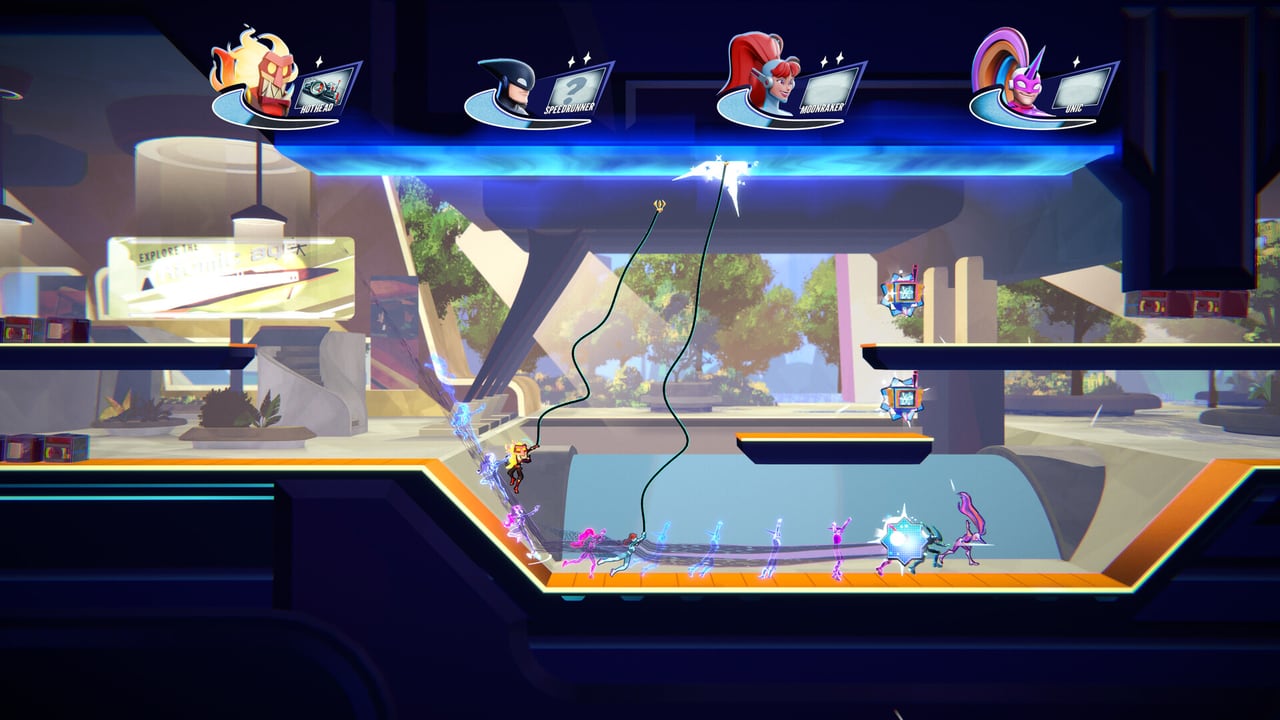
SpeedRunners 2: King of Speed launches September 3, 2026 and the fire wall does not wait for hesitation. New runners who dive in without direction often bounce off the shared camera within seconds, wonder why the fire wall keeps eating them, and quit before the first week ends. This roadmap solves that. It is a four-week structured plan — built for complete newcomers — that takes you from zero movement knowledge to comfortable ranked play and basic tournament literacy. Follow it in order, practice each week’s focus before moving on, and you will finish launch month inside the pack instead of chasing it from off-screen.
How this roadmap works
Each week has a primary skill, a secondary skill, and a session format. Weeks build on each other. Skipping weeks creates gaps — the movement habits you form in Week 1 become the foundation for item timing in Week 2, which becomes the decision-making framework for ranked in Week 3. The Practice Planner can break each week into daily 30–45 minute blocks if you prefer structured sessions over open practice.
Week 1: Core movement only — no items, no pressure, just the runner. Week 2: Add items — same movement now competes with pickup decisions. Week 3: Ranked online — apply movement and items against real opponents. Week 4: Tournament basics — learn bracket structure and pacing yourself across multiple matches.
Week 1 — Movement foundations
SpeedRunners 2 is a movement game that occasionally uses items. This is the most important sentence in this roadmap. Players who master movement dominate; players who rely on items plateau. Week 1 goal: internalize the five movement tools and understand how the shared camera shapes every decision.
Start with the How to Play page to understand the fire wall, the camera, and the lap structure. Then read the Controls defaults so you know what each button does before you touch them in-game. The Stay On-Screen guide is your primary reading — camera discipline is the single biggest separator between runners who finish races and runners who get eliminated on lap one.
In-game session for Week 1:
- Play Local Practice mode against Easy bots only
- Pick one character and use them all week — do not swap mid-roadmap
- Drill wall jumps: find a wall in any map and practice jump → wall-bounce → jump sequence until it feels automatic
- Drill boost management: boost at the start of a race, then do not touch it again until you feel the camera stretch ahead of you
- Ignore items completely this week — do not pick them up even when they appear
By end of Week 1 you should be able to stay on-screen through three laps against Easy bots without consciously thinking about camera position. The Movement & Grapple guide goes deeper on wall jump chains, slope jumps, and grapple timing — read it before Week 2 starts.
Week 2 — Items and pickup discipline
Week 2 introduces items without introducing opponents. Use Local Practice or private lobby against bots and focus exclusively on pickup decision-making. The Items hub lists every item — missiles, traps, freeze rays, and the golden grapple hook. Read the hub before your first session this week.
The single biggest beginner mistake with items is grabbing everything the moment it appears. Stop doing that. Instead: hold one item only when you have a clear reason to use it, and skip pickup when grabbing would interrupt a good movement line or put you in a bad screen position.
Drill pickup priority in this order:
- Missiles — fire immediately at a runner directly ahead of you, not behind
- Freeze ray — hold until a runner is mid-grapple or mid-wall-jump, then freeze them
- Traps — place on a boost line or after a narrow passage where runners must pass
- Golden grapple — wait for a leader to extend; pull them back and pass while they are airborne
By end of Week 2 you should hold and fire items without disrupting your movement rhythm. If grabbing an item still breaks your wall jump chain, you are grabbing too early — wait for a clean moment.
Week 3 — Ranked online
Week 3 is the transition from practice to competition. The Ranked page explains how the ladder works, what rank floors are, and how matchmaking picks opponents. Read it before your first ranked queue.
Queue your first ranked match knowing two things: you will lose, and that is correct. Week 3 is about observing how real runners move, when they boost, when they grapple, and how they respond to items. Do not stress about rank this week — stress about attention.
Watch your opponents during countdown. Notice who jumps early, who saves boost, who goes for items immediately. After each match, identify one thing you did wrong and one thing an opponent did that you want to copy. The Common Mistakes guide lists patterns to avoid; cross-reference it after each session.
By end of Week 3 you should feel comfortable losing to better runners without feeling lost. If a loss still surprises you, go back to Week 1 movement drills. If a loss feels educational, you are ready for Week 4.
Week 4 — Tournament structure
Week 4 introduces tournament format. The Tournament Mode page covers 64-player brackets, seeding, and pacing across multiple matches in a single session. Read it before your first tournament.
The Steam demo includes tournament mode with 64-player brackets — this is not a future feature, it is available now. Use it. Play a full bracket from Round 1 through finals in one sitting. Notice how your performance in Match 3 compares to Match 1 — fatigue, tilt, and attention drift are real tournament problems.
Tournament pacing differs from ranked. In ranked, each match is independent — a loss does not affect your next queue. In tournament, every match affects your bracket position. Learn to reset between rounds, review what went wrong quickly, and walk into the next match clean. The Advanced Tech page covers frame-perfect tricks for runners who want a competitive edge — read it this week if movement drills feel mastered.
Launch readiness checklist
Before September 3, 2026, confirm the following:
- Controls binds are comfortable — adjust via Rebind Tips if not
- Demo maps are familiar — do not waste launch night learning routes
- Practice Planner has a two-week schedule pre-loaded
- Launch Checklist is bookmarked for day-one verification
- Maps hub is read — know the difference between boost lanes and hazard zones
- Characters are reviewed — pick a main before queueing ranked
FAQ
Is four weeks too long to wait before ranked? No. Runners who skip movement fundamentals and queue ranked immediately spend months stuck at low ranks. Four weeks of movement practice produces faster long-term improvement than four weeks of losing ranked matches while reinforcing bad habits.
Can I skip Weeks 1 and 2 and still be competitive? No. Movement is not optional in SpeedRunners 2. Items are force multipliers — they do not replace the ability to stay on-screen. Players who rely on items without movement skill die to the fire wall the moment an opponent does not give them an opening.
What if I only want to play with friends and not competitively? Then start at Week 2 and stay there. Local and custom lobby modes let friends enjoy the game without ranked pressure. Knowing movement basics still makes couch sessions more fun because fewer people fall off-screen.
Should I buy the full game or just play the demo for the roadmap? Play the demo through this entire roadmap. The Steam demo includes ranked, tournament, and enough maps to practice all four weeks. Buy the full game when the roadmap is complete and you want the full roster, additional maps, and post-launch content.
Where do I go after Week 4? Bookmark the Advanced Tech page and work through it over the following months. The gap between a comfortable ranked runner and a tournament threat is measured in hundreds of hours of movement drills, not weeks. The Practice Planner can extend your training indefinitely.
Frequently Asked Questions
Quick answers to the most common questions.
How long should I spend on each week of the roadmap?
Each week assumes 5–7 hours of focused practice spread across multiple sessions. Daily 30–45 minute blocks are ideal. Move to the next week only when movement feels automatic, not when time is up.
Do I need the full game or does the demo cover everything for the roadmap?
The Steam demo covers ranked, tournament, and enough maps for all four weeks. Buy the full release when the roadmap is done and you want the complete roster, additional maps, and post-launch updates.
What if I keep falling behind the camera in Week 1?
Revisit [Stay On-Screen](/guides/stay-on-screen/) and reduce your speed — slow down your boost usage and focus on clean wall jumps instead of fast ones. Falling behind is almost always a boost timing problem, not a reaction speed problem.
Can I follow this roadmap with a controller instead of keyboard?
Yes. Read [Controller Setup](/controls/controller/) before Week 1 and practice the stick dead zones alongside movement drills. Controller and keyboard have different grapple timing — drill whichever input you plan to use in ranked.
Should I play with friends during the roadmap or solo?
Solo for Weeks 1 and 2 so you build movement habits without relying on friends to cover your camera position. Weeks 3 and 4 can include friends if you treat the sessions seriously — ranked and tournament with friends still develop skill if you are not messing around between matches.