SpeedRunners 2 Esports & Tournaments
The competitive King of Speed ecosystem — from local brackets to global prize events.
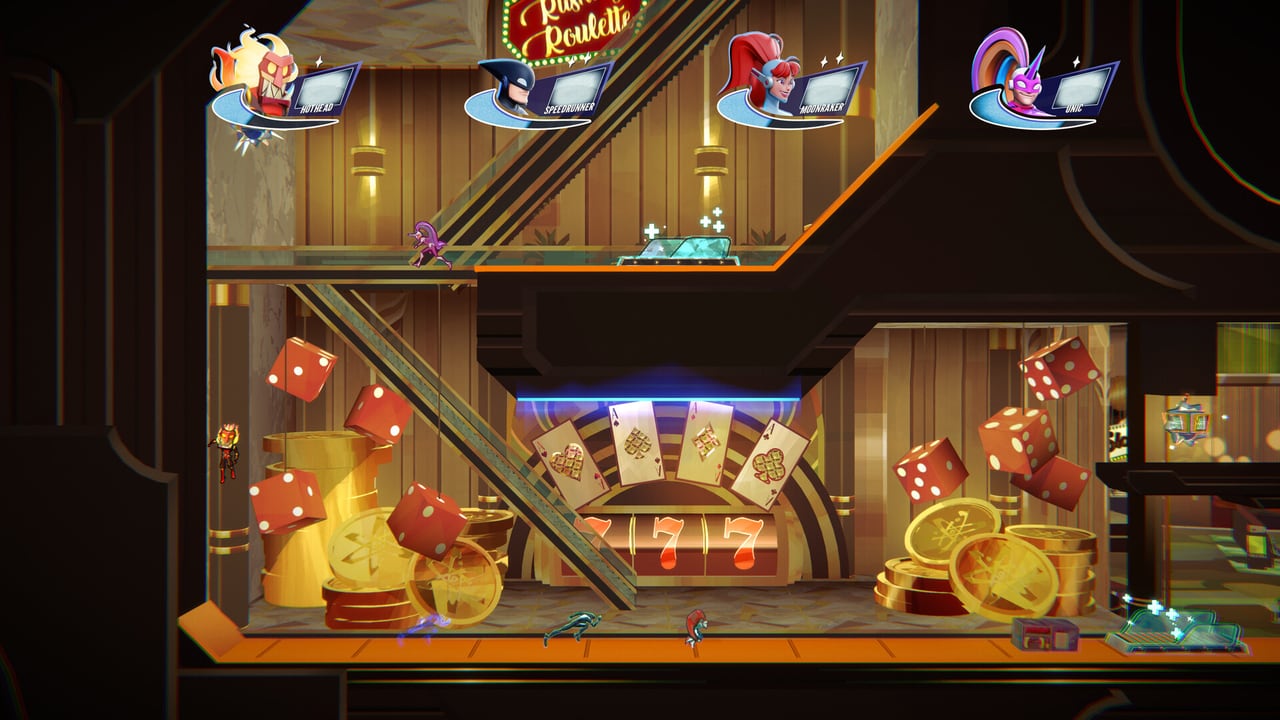
SpeedRunners 2: King of Speed launches September 3, 2026 with a competitive infrastructure that outpaces most indie sequels. The game ships with a 64-player Tournament Mode, ranked matchmaking, and a lobby browser that community organizers already use for weekly brackets. This page covers the competitive ecosystem: how tournaments work, what the ranking ladder looks like, how prize distribution typically shakes out in grassroots scenes, and where new runners fit into the structure without burning out in the first month.
Tournament Mode: 64 runners, one bracket
The built-in Tournament Mode is the backbone of SpeedRunners 2 competition. It supports up to 64 players per bracket with seeded Round 1 pairings, double-elimination or round-robin formats depending on organizer settings, and a final lobby that collapses to a single eight-player race for the championship. The system tracks match history within the bracket and surfaces stats — fastest lap, elimination count, item accuracy — that organizers use for broadcast overlays.
This is not a future promise. The Steam demo ships Tournament Mode. The Tournament Guide covers mode specifics; this page covers the scene around it.
The competitive community at launch
Fair Play Labs and tinyBuild have signaled support for a community tournament circuit without committing to an official esports league in the first year. That gap typically fills with grassroots organizers, Discord communities, and regional brackets that build toward larger open events. SpeedRunners 1 established a tournament culture through platforms like Battlefy and Smash.gg; SpeedRunners 2 inherits that organizer base.
Expect weekly community tournaments within the first month, monthly major events by the end of Q4 2026, and potential regional championships in 2027 if player retention holds. The Ranked ladder provides a skill signal that tournament organizers use for seeding — consistently placing in Diamond or Champion ranks is the equivalent of a letter of recommendation for competitive brackets.
Prize pools: grassroots vs sponsored
Early SpeedRunners 2 tournaments will be grassroots — $50–$200 prize pools funded by entry fees, community donations, and occasional publisher support in the form of keys or promotional features. These are not poverty events; they teach tournament pacing, bracket management, and the emotional discipline of performing across multiple matches in a single session.
Sponsored events and larger prize pools typically require a track record. Building a profile through consistent weekly finishes, creating highlight clips for social channels, and engaging with the SpeedRunners community Discord are the unglamorous but effective paths to sponsor visibility. Watch Tournament Mode for official news on any publisher-run circuit.
Ranking ladder explained
The Ranked page covers mode mechanics; this section covers what the ladder means for your competitive identity. Ranks reset each season, and placement matches at the start of a season determine your initial tier. Consistent top-four finishes in Ranked lobbies earn promotion; repeated bottom placements trigger demotion with a safety floor that prevents freefall.
The ladder serves two purposes for tournament runners: it provides daily practice against players at or above your skill ceiling, and it generates a visible credential that organizers use when they cannot personally attest to every applicant’s ability. A Champion rank badge carries more weight than a written description of your skill level.
Entry points for new competitive runners
You do not need to be a Champion-rank player to enter a tournament. Most community brackets have open divisions with no rank requirement and a separate elite division for higher-ranked runners. Start in open brackets, build a match history, and move into elite divisions as your rank climbs. The Beginner Roadmap prepares movement and item fundamentals specifically for runners targeting their first competitive event.
Joining a tournament before you feel ready is the correct strategy. The pressure of a bracket — even a small one — compresses learning in ways that ranked queues cannot replicate. You will make decisions faster, panic more, and extract more honest data about your skill gaps in a single tournament session than in ten ranked queues.
What separates tournament threats from ranked grinders
Ranked and tournament performance diverge after a certain skill threshold. Ranked rewards consistency across many independent matches. Tournament rewards consistency across a small number of high-stakes matches with time to prepare between them. The skills overlap but are not identical.
Tournament threats typically share four traits: they warm up systematically before each match, they review their bracket history between rounds, they adapt their item strategy based on the specific opponents still in the bracket (not just the current match), and they manage tilt across a multi-hour session without letting one bad match contaminate the next. The Advanced Tech page covers the mechanical skills; tournament success requires applying them under sustained pressure.
Practice routine for tournament runners
Daily ranked grinding is necessary but not sufficient. Tournament runners benefit from adding structured practice blocks that ranked queues do not provide: review your last three tournament replays each week, drill one specific movement weakness until it feels automatic, and play at least one session against opponents who are specifically targeting your rank tier. The Practice Planner can schedule these blocks around your ranked sessions.
The week before a tournament, shift practice emphasis from rank defense to versatility. Play maps you do not normally select, use items you normally skip, and deliberately lose matches to identify which situations you cannot recover from. Discovering a weakness in practice beats discovering it in Round 3 of a bracket.
Regional and online tournaments
SpeedRunners 2 supports cross-platform play at launch, which means online tournaments accept competitors from any platform. Regional tournaments that require physical attendance are less common for indie platform racers but appear around major gaming events. Most competition happens online through private lobby brackets organized in community Discord servers.
Joining the SpeedRunners community Discord before launch gives you access to tournament announcements, practice partners at every rank tier, and the social proof that makes you visible to organizers filling open bracket slots. Link to Review Hub for general game coverage that may mention official esports announcements.
FAQ
Do I need to reach Champion rank before entering tournaments? No. Open division brackets accept all ranks. Champion rank helps with elite division seeding and visibility, but community tournaments exist at every skill level. Enter when you feel ready to perform under bracket pressure, not when you feel ready to win.
How do I find SpeedRunners 2 tournaments? Community Discord servers are the primary venue for tournament announcements. Smash.gg and Battlefy host registration for organized events. Watch the Steam community hub and the official tinyBuild social channels for any publisher-run events.
What do grassroots tournament prizes typically look like? Weekly community events usually award $50–$200 split across top three to five finishers, with keys and in-game currency as supplementary prizes. Monthly major events can reach $500–$2,000. Publisher-sponsored circuits and open events at gaming conventions represent the highest tier.
Can I stream or record tournament matches? Most community tournaments allow streaming and recording for personal content. Bracket broadcasters may have exclusive streaming rights for top-seed matches — read the tournament rules before registering. The Trial Cup Tournament embedded on this page illustrates typical tournament broadcast production.
How do I build a competitive profile if I am new to SpeedRunners? Consistent ranked performance generates the most credible signal. Secondary signals include highlight clips shared on social media, participation in community Discord events, and friendly match results against established runners who can vouch for your level. Tournament results speak for themselves — even a single top finish in an open bracket creates a data point that organizers can reference.
Frequently Asked Questions
Quick answers to the most common questions.
When do SpeedRunners 2 tournaments start after launch?
Community Discord tournaments typically start within the first two weeks after launch. Monthly major events with larger prizes usually establish by Q4 2026. Publisher-run circuits depend on Fair Play Labs and tinyBuild announcements — watch [Tournament Mode](/modes/tournament/) for official updates.
Do I need to be Champion rank to compete?
No. Open division brackets are open to all ranks. Champion rank improves seeding and elite division eligibility, but community tournaments run at every skill level. Enter when you are ready for bracket pressure, not when you are ready to win.
How do I find tournaments to enter?
SpeedRunners community Discord servers host most tournament announcements. Smash.gg and Battlefy list organized events. Steam community hub and official tinyBuild social channels carry any publisher-run circuit news.
What prizes do grassroots SpeedRunners 2 tournaments offer?
Weekly events typically award $50–$200 across top finishers plus keys. Monthly majors reach $500–$2,000. The highest tier consists of publisher-sponsored events at gaming conventions or as part of open tournament circuits.
Can I stream my tournament matches?
Most community tournaments allow personal streaming and recording. Top-seed matches may have exclusive broadcast rights reserved for tournament organizers — check the specific event rules before registering.